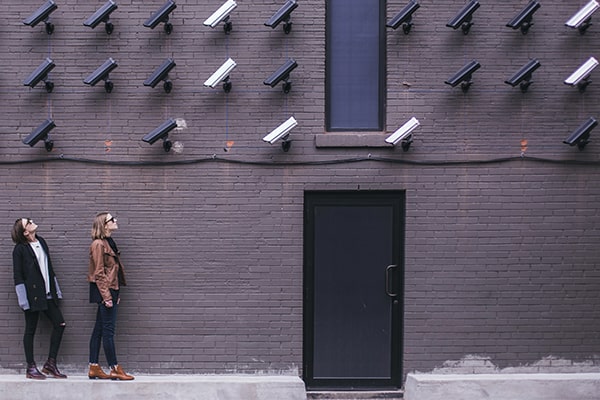
A camera captures an incident. A guard stops it. That simple distinction is why so many businesses eventually trade passive surveillance for a live guarding presence. But how do you know when it is time? Here are five signs.
1. Your cameras watch, but nobody watches your cameras
If your CCTV is only reviewed after an event, you are not securing your facility — you are documenting it. A trained officer monitoring access points, screening visitors and patrolling your grounds intercepts threats at the door, not in the after-action review.
2. Incidents keep happening after hours
Unauthorised access, vandalism, tailgating. When incidents cluster outside business hours, they are usually the work of people who know your schedule. A visible guard rotates patrol patterns and changes that calculus overnight.
Every incident in our records that a guard intercepted started as a minor anomaly — a door ajar, a vehicle idling too long, a visitor who did not match the invitation list. The guard is what turns an anomaly into a response.
David Cruz, Shift Commander
3. You have assets that cannot be replaced
Server rooms, high-value stock, proprietary equipment. Insurance can compensate you for the value of an asset, but it cannot recover a lost prototype, a breached dataset or the clients who lose trust. For irreplaceable assets, a physical presence is not an expense — it is an insurance policy that acts, not one that only pays out.
4. Your visitor process relies on trust alone
If anyone can walk in by saying they have an appointment, your access control is decorative. Professional guarding brings a structured visitor protocol: verification, badging, escort and log-out. Most breaches do not kick down doors — they walk through reception politely.
5. You want a plan, not a reaction
The best security is invisible until it is needed, then decisive the moment it is. A guarding provider worth its salt delivers site assessments, emergency response procedures and a documented chain of command — so when something happens, everyone already knows their role.
If any of these signs sound familiar, a conversation with our operations team is a low-stakes way to test the idea. We will walk your site, map the gaps and give you an honest recommendation — even if that recommendation is that you do not need us yet.